Providing authoritative insights for brand owners, institutional procurement officers, and global distributors seeking compliant, high-yield OEM/ODM production pipelines across cosmetic, dietary supplement, and customized packaging sectors.
In today's global market, evaluating a private label manufacturing and export partner requires looking far beyond basic price per unit. Regulatory rigor—such as compliance with the US FDA Modernization of Cosmetics Regulation Act (MoCRA), cGMP 21 CFR Part 111/211 standards, and EU CPNP registration—serves as the core foundation for brand safety and market access. Leading contract manufacturers integrate full-turnkey R&D, custom mold development, specialized stability testing, and automated packaging lines under a single quality control system. This whitepaper analyzes current product portfolios, future procurement dynamics, and key manufacturing technologies shaping cross-border trade.
High-demand formulations and custom packaging solutions engineered for rapid market penetration and robust regulatory compliance.

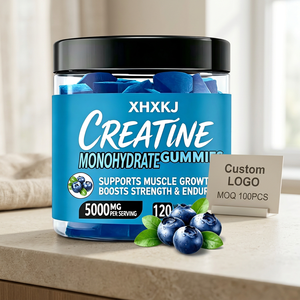
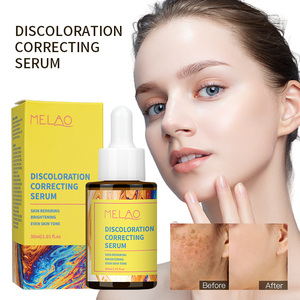
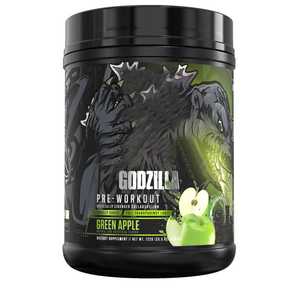
A detailed technical review of formulation stability, active loading limits, and packaging materials for scalable export production.
| Product Sector | Formulation Base | Standard MOQ | Regulatory Compliance | Quality Assurance Protocols |
|---|---|---|---|---|
| Functional Dietary Gummies | Pectin / Gelatin / Allulose Sugar-Free | 1,000 lbs batch run | cGMP, FDA Registered, NSF Certified | HPLC Active Assays, Micro Stability, Heavy Metal Screen |
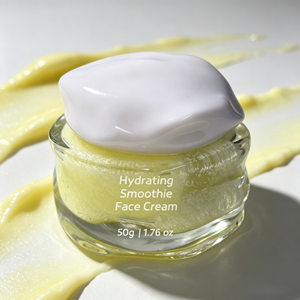
| Cosmeceutical Face Creams & Serums | Bio-Fermented Emulsions, Liposomal Delivery | 3,000 units / SKU | US MoCRA, EU CPNP, ISO 22716 | Preservative Challenge Testing, Patch Test, Viscosity Rheology |
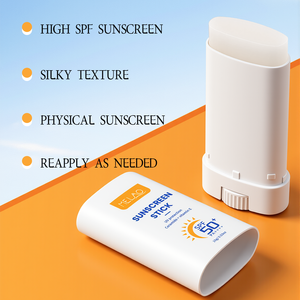
| Sunscreen & Anhydrous Sticks | Clear Synthetic Wax, Broad Spectrum Filters | 5,000 units / SKU | FDA Monograph OTC / EU Cosmetics Regulation | Critical Wavelength Testing, SPF In-Vitro/In-Vivo, Thermal Melt Test |
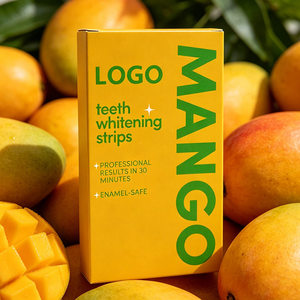
| Oral Hygiene & Whitening Strips | PAP (Phthalimidoperoxycaproic Acid) / Non-Peroxide | 10,000 packs | CE Mark, FDA Medical Device / Cosmetic Class | Enamel Micro-hardness Assay, Accelerated Peroxide-Free Stability |
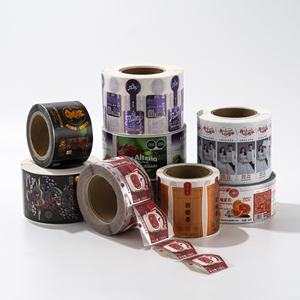
| Adhesive Roll Packaging & Labeling | Waterproof BOPP, Thermal Vinyl, Foil Stamping | 5,000 meters | FDA Indirect Food Contact (21 CFR 175) | Adhesion Peel Strength, UV Fading Resistance, Tensile Testing |
Vertical integration across research, cleanroom production, automated filling, and global compliance documentation.
Operated in strict compliance with 21 CFR Part 111 and Part 211 guidelines. Facilities feature Class 100,000 cleanrooms, positive pressure HVAC filtration systems, and full environmental monitoring to guarantee zero batch contamination.
In-house PhD scientists and formulation engineers specializing in flavor masking, bioactive stabilization, micro-encapsulation, and bio-available emulsion systems tailored to specific market requirements.
Every single production batch undergoes stringent testing by accredited third-party laboratories. Certificate of Analysis (COA) for identity, potency, heavy metals, pesticides, and micro-biology is issued prior to dispatch.
State-of-the-art packaging lines capable of high-speed pouch sealing (up to 400 units/min), HDPE/PET bottling, blister packing, custom tin manufacturing, and roll-to-roll label application.
Complete export support including Certificate of Free Sale (CFS), Dossier Preparation (CTD format), Halal & Kosher Certification, Non-GMO Project verification, and US MoCRA safety substantiation file generation.
Optimized freight management, temperature-controlled warehousing, and low-friction customs clearance strategies for North American, European, Middle Eastern, and Asia-Pacific destination ports.
Strategic analysis of consumer shifts, scientific innovations, and regulatory evolutions shaping contract manufacturing investment decisions.
Traditional pill and capsule delivery formats are experiencing steady market share migration toward functional edibles, specifically nutraceutical gummies and drink mixes. Consumers demand active dosing (such as 5g+ Creatine Monohydrate, NMN, or high-potency Collagen Peptides) delivered in sugar-free, pectin-based gummy vehicles. Formulators must solve matrix stabilization, moisture migration, and active degradation challenges through modern thermal cooking and starchless silicone depositing technologies.
The global skincare sector has shifted from surface-level cosmetics to bio-compatible cosmeceuticals. With the US Modernization of Cosmetics Regulation Act (MoCRA) in full effect, brand owners must provide verifiable safety substantiation, mandatory adverse event reporting, and full ingredient transparency. Key formulation trends emphasize plant-derived retinoids (Bakuchiol), multi-molecular weight Hyaluronic Acid complexes, cold-pressed botanical butter bases (Shea, Mango), and stabilized Vitamin C derivatives (THD Ascorbate) that resist oxidative discoloration.
In oral hygiene, high-concentration Hydrogen Peroxide strips are rapidly being replaced by non-peroxide alternatives due to tooth sensitivity and soft tissue erosion concerns. Next-generation formulations feature Phthalimidoperoxycaproic Acid (PAP), Hydroxyapatite (HAp), and fruity natural flavoring profiles (e.g., Mango, Watermelon). Contract manufacturers are adopting dual-layer strip coating and oxygen-barrier foil sachet packaging to preserve active oxidation power throughout product shelf life.
Sunscreens have evolved beyond traditional heavy lotion emulsions into transparent, waterless stick formats. Mini clear sunblock sticks utilize organic UVA/UVB filters (Avobenzone, Octocrylene, Homosalate) or micronized zinc oxide embedded in a clear wax-lipid matrix. This eliminates water-phase preservation issues, reduces shipping weights, and satisfies airport security liquid carrying limits while offering invisible, non-greasy application on skin.
How institutional buyers and direct-to-consumer (DTC) brands can minimize lead times, reduce landed costs, and hedge against supply chain volatility.
Smart procurement teams are abandoning single-source models in favor of hybrid dual-sourcing strategies. Establishing primary production in high-capacity overseas plants (with automated depositing lines capable of 5M+ units daily) provides low cost-of-goods (COGS), while maintaining secondary assembly or quick-turn short-run manufacturing near key distribution hubs minimizes stockout risks during demand surges.
Enterprise procurement platforms are integrating directly with contract manufacturers' ERP systems. Modern B2B partnerships leverage digitized batch records (eBR), real-time climate tracking during transit, and instant Certificate of Analysis generation linked directly to QR codes printed on outer shipping cartons.
Global retailers (such as Target, Walmart, and European hypermarket chains) increasingly mandate eco-friendly packaging compliance. Suppliers are transitioning from multi-layer non-recyclable laminates to single-material recyclable BOPP films, post-consumer recycled (PCR) PET bottles, and bio-degradable adhesive label stocks printed with soy-based inks.
Detailed technical, operational, and regulatory guidance for procurement executives and brand managers.
Connect directly with our senior formulation scientists and contract manufacturing directors. Receive turn-key feasibility quotes, benchtop samples, and custom packaging mockups tailored to your brand goals.