Explore our validated product lines, engineered for international brand compliance, stability across global supply chains, and superior consumer sensory appeal.
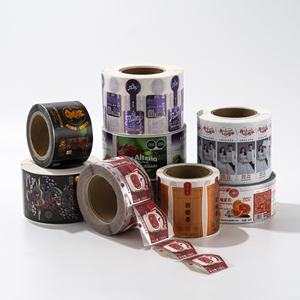
High-barrier, food-grade adhesive labels and custom roll packaging tailored for vitamin gummy bottles and pouch packaging with anti-counterfeiting features.
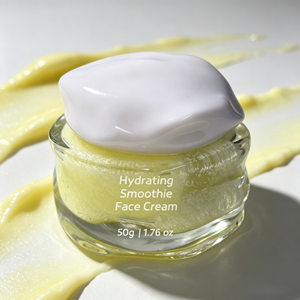
Synergistic topical Vitamin E formula complementing internal nutricosmetics and beauty-from-within collagen and biotin gummy supplement lines.
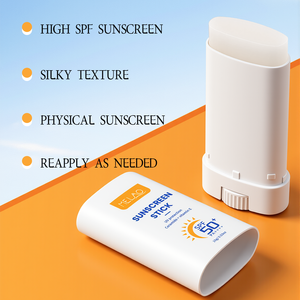
Portable solar care formulation designed alongside antioxidant-rich Vitamin C and Astaxanthin oral gummies for 360° skin photoprotection programs.
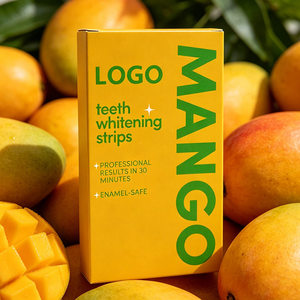
Enzyme-assisted enamel-safe brightener paired with oral microbiome pectin gummies for premium wellness and dental care brand catalogs.
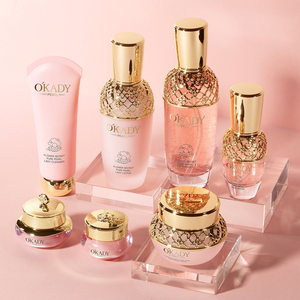
Wholesale beauty regimen kits designed for integration with Hyaluronic Acid and Glutathione botanical gummy supplement OEM projects.
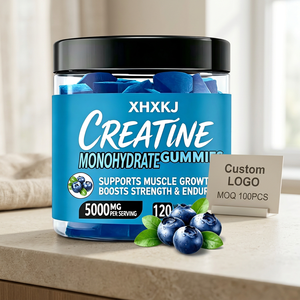
High-load Creatine Monohydrate gummies delivering 5g per serving for sports nutrition brands, optimized for muscle recovery and rapid ATP synthesis.
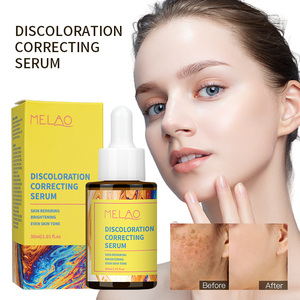
Derma-grade antioxidant serum formulation developed to align with daily multivitamin & collagen pectin gummy co-manufacturing initiatives.
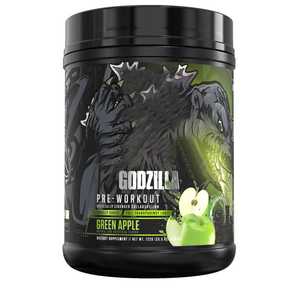
Synergistic muscle endurance workout booster engineered for complementary retail bundle packaging alongside B-Vitamin energy gummies.
The global nutraceutical landscape is undergoing a structural paradigm shift. Traditional delivery formats—such as compressed tablets, hard gelatin capsules, and synthetic powders—are increasingly losing market share to chewable functional gummies. According to global health and wellness market intelligence, the vitamin gummy market is projected to reach $10.6 billion by 2030, registering a Compound Annual Growth Rate (CAGR) of 8.3%.
At the center of this rapid evolution is China's advanced nutraceutical manufacturing cluster. China has evolved from a raw ingredient supplier into the world's most competitive hub for contract manufacturing (OEM/ODM) of functional gummies. Leading Chinese exporters combine state-of-the-art starchless silicone-mold depositing lines, proprietary botanical extraction techniques, and strict compliance with international food safety standards (FDA, cGMP, NSF, ISO 22000, and HALAL).
For brand owners, procurement directors, and retail distributors across North America, Europe, the Middle East, and Asia-Pacific, sourcing from premier Chinese vitamin gummy factories delivers clear structural advantages: lower unit costs, unrivaled R&D speed, high active loading capability, and end-to-end private label customization.
Unlike standard B2B buyers who prioritize price per bottle alone, experienced procurement specialists evaluate three critical technical metrics: Active Bioavailability Preservation, Thermal/Humidity Stability (Pectin Melting Point), and Gel Structure Elasticity (Brix & pH Control). Leading Chinese exporters utilize continuous automated cooking and vacuum-deaeration systems to maintain active compound potency throughout extended ocean freight transit.
To succeed in competitive retail markets, supplement brands require manufacturing partners who offer more than basic contract filling. The top Chinese vitamin gummy factories deliver a complete, integrated supply chain ecosystem.
Functional actives—such as herbal extracts, iron, marine collagen, or high-dose Vitamin C—often impart unpleasant metallic or bitter notes. Chinese formulation laboratories utilize natural taste-masking technologies, organic fruit concentrates, and microencapsulation to ensure optimal taste profiles without relying on artificial sweeteners.
Top factories operate dedicated production suites for both citrus pectin (100% plant-based, vegan, high-heat resistant up to 45°C) and pharmaceutical-grade porcine/bovine gelatin (superior chew elasticity). This allows brands to target diverse consumer segments, from vegan and Kosher/Halal markets to traditional sport nutrition lines.
Quality assurance is backed by certified in-house analytical testing laboratories equipped with High-Performance Liquid Chromatography (HPLC) and Inductively Coupled Plasma Mass Spectrometry (ICP-MS). Every export lot is verified for active ingredient assay, heavy metals, micro-contaminants, and shelf-life stability prior to release.
Selecting the correct gelling matrix is a fundamental decision when specifying contract gummy manufacturing. Below is an engineering overview comparing citrus pectin and gelatin bases across critical export criteria:
| Evaluation Technical Metric | Citrus / Apple Pectin Matrix | Pharmaceutical Gelatin Matrix | Hybrid Pectin-Tapioca Matrix |
|---|---|---|---|
| Melting Point & Thermal Threshold | High Threshold (> 45°C / 113°F) | Low Threshold (> 32°C / 89.6°F) | Moderate Threshold (> 40°C / 104°F) |
| Dietary & Cultural Compliance | 100% Vegan, Non-GMO, Halal, Kosher | Animal Origin (Requires Halal/Kosher Cert) | 100% Vegan, Clean-Label Aligned |
| Mouthfeel & Texture Profile | Clean bite, quick flavor release, non-sticky | Elastic, chewy, prolonged retention | Soft chew, smooth breakdown |
| Sugar-Free Compatibility | Excellent (Works with Allulose, Isomalt, Erythritol) | Moderate (Risk of syneresis with polyols) | Superior (Optimal moisture retention) |
| Ideal Export Destinations | Tropical Climates, Global Express Shipping, USA, EU | Temperature-Controlled Retail Markets | Clean-Label & Specialty Health Outlets |
As consumer sophistication increases, global procurement managers must adjust their product roadmaps to capitalize on emerging technology and dietary preferences. Sourcing from innovative Chinese exporters allows brand owners to stay ahead of market shifts.
Historically, gummies were limited to low-dose multivitamins due to payload and gelling restrictions. Advanced Chinese factories now employ microencapsulation and starchless jet-cooking technology, enabling higher payload density. Formulations now successfully incorporate challenging actives including Creatine Monohydrate (up to 5g per serving), NMN (Nicotinamide Mononucleotide), Ashwagandha KSM-66, Functional Mushrooms (Lion's Mane, Reishi), and Probiotics/Prebiotics with 5 Billion CFU stability.
With global health authorities tightening guidelines on added sugars, brands are rapidly shifting toward low-glycemic solutions. Leading Chinese OEM factories lead this transition by replacing traditional corn syrup and sucrose with natural plant-derived polyols and rare sugars such as Allulose, Isomalt, Monk Fruit Extract (Luo Han Guo), and Stevia, maintaining optimal Brix levels without compromising tooth health or triggering blood sugar spikes.
Modern consumers demand clean label ingredient lists. Chinese manufacturers are expanding their organic certified lines, utilizing real fruit juice concentrates (such as organic apple, elderberry, pomegranate, and black carrot) to provide both natural coloring and authentic fruity flavor profiles without synthetic azo dyes (e.g., Red 40, Yellow 5).
Export compliance now extends to packaging sustainability. Top exporters offer fully recyclable post-consumer recycled (PCR) HDPE/PET bottles, bio-degradable stand-up pouches, and child-resistant closure (CRC) systems equipped with induction heat seals to guarantee 24-month product freshness under adverse transit conditions.
From initial benchtop formulation to container loading, leading Chinese exporters adhere to a systematic 6-stage development timeline.
Technical brief validation, active dosing target calculation, sweetener selection, and benchtop sample creation (2–3 weeks turn-around).
Accelerated thermal testing, pH/Brix calibration, sensory panel scoring, and moisture activity optimization to prevent sticky aggregation.
Engineering custom gummy shapes (3D bears, drops, fruits, logos, or debossed icons) with precise volumetric deposit weights (2.5g to 5.0g).
Continuous vacuum cooking, automated active dosing, silicone-mold depositing, rapid cooling tunnels, and controlled humidity curing.
In-house assay testing via HPLC/ICP-MS, micro-biology screening, metal detection, and lot-specific COA generation.
High-speed automated packaging, heat-shrink safety neck banding, master carton packing, and FOB/CIF/DDP international export delivery.
Navigating international supply chains requires clarity on minimum order quantities, lead times, regulatory documentation, and quality guarantees. Here are authoritative answers to common procurement questions:
For standard house molds (such as classic bears, domes, or disks) using existing validated formulation bases, MOQs generally start at 300,000 to 500,000 individual gummies per SKU (equivalent to approximately 5,000 to 8,000 bottles of 60-count gummies). For fully custom shapes requiring proprietary 3D silicone tooling or specialized active raw materials, MOQs typically start at 1,000,000 units.
Premier factories utilize high-methoxyl citrus pectin bases engineered with a setting temperature above 45°C (113°F) and control moisture content precisely between 8% and 12%. Furthermore, finished gummies are treated with anti-sticking vegetable oil coatings or sour acid sanding, packed with food-grade silica desiccant packets, and sealed with induction foil liners inside heavy-duty HDPE bottles or aluminum barrier pouches.
Buyers should confirm that the manufacturer maintains an FDA-registered facility, current Good Manufacturing Practice (cGMP) accreditation, ISO 22000 or FSSC 22000 food safety certifications, and third-party audit reports (such as NSF International). For specific regional markets, verify Halal (MUI/JAKIM), Kosher, or Organic certifications as required by target market legislation.
Standard lead times follow a structured schedule: Benchtop sample development and approval take 1 to 2 weeks. Packaging artwork proofing and printing take 2 to 3 weeks. Mass production, curing, packaging, and third-party laboratory testing take 3 to 4 weeks. Overall, total factory turn-around is typically completed within 4 to 6 weeks from purchase order sign-off.
Yes. Chinese factories are industry leaders in plant-based, sugar-free gummy manufacturing. Formulations utilize 100% citrus or apple pectin combined with natural sugar alternatives such as Allulose, Isomalt, Erythritol, and Stevia, producing a clean label suitable for vegan, vegetarian, diabetic, and keto-friendly market positioning.
Top exporters issue a lot-specific Certificate of Analysis (COA) produced by accredited in-house testing labs or independent third-party laboratories (such as SGS, Eurofins, or Intertek). Active compound potencies are verified via HPLC, minerals via ICP-MS, and microbiological purity via USP/EP standard culture methods.