0%

Choosing the right partner for Private Label Gummy Supplements can shape a brand’s reputation, margins, and customer loyalty. Gummies may look simple, but consistent production requires careful formulation, reliable sourcing, and strict quality controls. Texture matters. So does taste.

This guide explores ten private label gummy supplement manufacturers with practical buying considerations in mind. We examine formulation support, ingredient traceability, production capacity, packaging options, testing procedures, and communication quality. A capable manufacturer should provide clear documentation, batch records, and realistic timelines. Third-party laboratory testing can help verify identity, purity, potency, and contamination controls. Certifications may also support confidence, but they should be checked rather than accepted at face value.

Details often reveal more than polished sales pages. Can the supplier explain how heat affects active ingredients? Does its sample match the final production batch? Are allergens identified clearly on proposed labels? These questions matter when products travel through warehouses, online stores, and customers’ kitchen cabinets. Our comparison aims to support informed decisions, not promise a perfect supplier. Manufacturing performance can change over time, and even established companies may have weaknesses in communication or flexibility. That deserves attention. Readers should request current certificates, review contracts carefully, and confirm applicable labeling requirements before placing an order. A lower price may look attractive, yet inconsistent gummies can create costly returns and damage trust. The best choice balances quality, transparency, scalability, and dependable service.
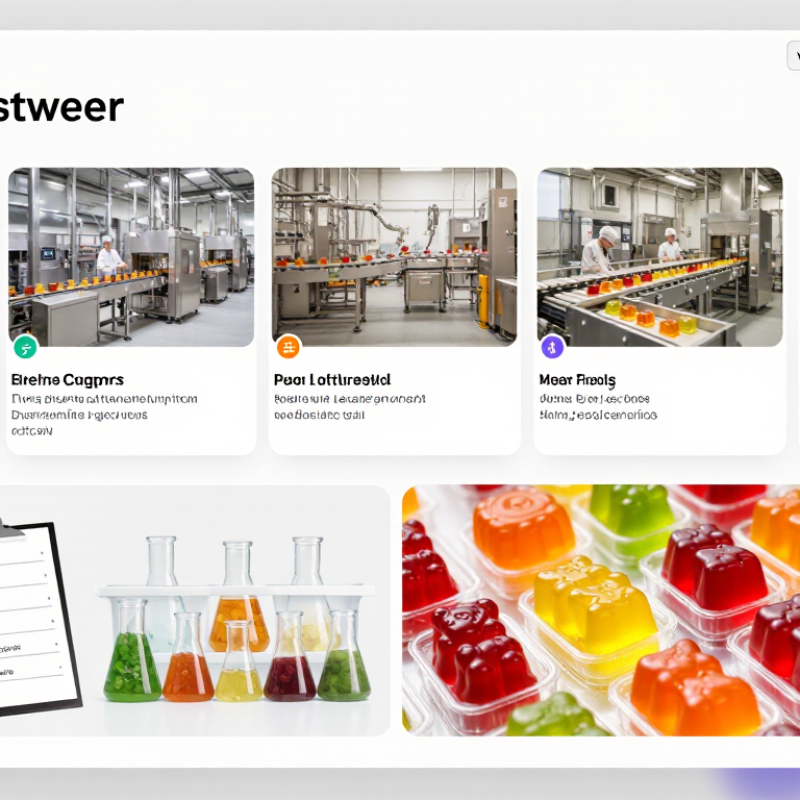
Top 10 Private Label Gummy Supplement Manufacturers

What Private Label Gummy Supplement Manufacturers Do

Private label gummy supplement manufacturers do more than pour ingredients into colorful molds. They turn a product concept into a controlled, documented process. Their work can include formula development, flavor testing, ingredient sourcing, mold selection, packaging, and production planning. Grand View Research estimates that the global gummy supplements market reached about USD 21 billion in 2023. That growth creates opportunity, but it also increases pressure on quality systems.

Reliable manufacturers verify supplier documentation and test incoming materials. They monitor weight, texture, moisture, microbial limits, and shelf stability. They should also maintain batch records and provide certificates of analysis when appropriate. In the United States, dietary supplement production must follow FDA current good manufacturing practice requirements under 21 CFR Part 111. The manufacturer does not replace regulatory review. The product owner remains responsible for accurate labels and lawful claims. A fast launch is tempting. It can still create expensive mistakes.

Tips: Ask for stability data, allergen controls, testing methods, and sample batch records. Confirm who reviews the Supplement Facts panel. Discuss sugar levels, serving size, packaging barriers, and expected shelf life before signing. The Council for Responsible Nutrition reported that 74% of U.S. adults used supplements in 2023, showing strong consumer demand. Yet consumer demand is not proof of product quality. A gummy may taste excellent and still need better testing. Manufacturers should explain limitations clearly, rather than promise perfect results.

Key Criteria for Evaluating Gummy Supplement Manufacturers

Top 10 Private Label Gummy Supplement Manufacturers

Key Criteria for Evaluating Gummy Supplement Manufacturers

Choosing a gummy supplement manufacturer requires more than comparing prices. A credible partner should provide clear formulation records, current testing results, and traceable ingredient sources. Ask for certificates of analysis, microbial reports, heavy metal testing, and stability data. These documents should match the exact product batch, not a generic sample. The paperwork matters.

Evaluate the manufacturer’s technical experience with texture, flavor, active dosage, and shelf stability. A gummy may look attractive but still fail through sticking, melting, or uneven ingredient distribution. Request pilot samples and inspect them after several weeks in warm, humid conditions. I prefer measurable evidence over confident sales claims. Still, no sample predicts every production problem.

Quality systems deserve close attention. Check whether the facility follows recognized manufacturing standards and whether trained staff review each production stage. Ingredient receiving, cooking temperature, filling weight, packaging seals, and release testing should have written controls. Ask how deviations, complaints, and recalls are documented. An honest manufacturer explains weaknesses without hiding behind polished language. That conversation can reveal more than a factory tour. Also review minimum order quantities, lead times, communication speed, and change-control procedures before signing an agreement.

Top 10 Private Label Gummy Supplement Manufacturers

Top 10 Private Label Gummy Supplement Manufacturers

Choosing among the top 10 private label gummy supplement manufacturers requires more than comparing factory photos. A reliable partner should explain sourcing, production controls, testing, and realistic lead times. During supplier reviews, request recent certificates of analysis, allergen statements, and stability data for each formula. Check whether testing covers potency, microbes, heavy metals, and undeclared ingredients. Clear records matter.

Gummy quality often appears in small details. A good manufacturer should control moisture, texture, color consistency, and flavor during production. Ask about pectin and gelatin options, sugar-free systems, and common dietary restrictions. Confirm minimum order quantities before approving custom molds or printed packaging. A pilot batch can reveal problems that samples hide. Sometimes the first texture is too soft.

Experienced teams should also support label reviews without promising automatic market approval. Regulations differ by country, so responsible manufacturers identify documentation gaps and encourage independent legal review. Discuss change-control procedures, batch traceability, recall support, and complaint handling before signing an agreement. These practices show operational maturity.

The strongest candidates usually communicate directly and document decisions. They should provide production timelines that include raw material delays, laboratory testing, and packaging inspection. Ask how rejected batches are handled. Ask again if answers seem vague. A polished presentation cannot replace repeatable evidence from the factory floor. Small errors still happen, but transparent correction builds more trust than confident promises.

Comparing Formulas, Certifications, Minimum Orders, and Lead Times

Top 10 Private Label Gummy Supplement Manufacturers

Comparing formulas, certifications, minimum orders, and lead times requires more than reading a sales sheet. Formula quality begins with clear ingredient specifications, dosage targets, flavor testing, and stability data. Ask whether the manufacturer can adjust sweetness, texture, color, allergens, and dietary requirements without weakening the active ingredients. A gummy that looks attractive may still fail during heat exposure or long storage.

Certifications need careful verification. Look for current GMP certification, third-party laboratory testing, allergen controls, and batch-specific certificates of analysis. Check the certificate issuer, scope, expiration date, and covered facility. Some suppliers display impressive documents that do not apply to the exact production site. That detail matters. Claims about organic, vegan, or other certifications should match the final formula and packaging.

Minimum orders often range from pilot quantities to full commercial batches. A smaller MOQ can reduce early risk, but the unit cost may rise sharply. Request separate quotes for samples, pilot production, packaging, and repeat orders. Lead times should include formulation approval, raw material purchasing, testing, production, and shipment. Eight weeks may sound reasonable until packaging takes three extra weeks. Build a written timeline with decision dates and delay responsibilities. I would also request retention samples and a clear change-notification process. Suppliers can be responsive during sampling, then slower after the purchase order. That gap deserves attention.

How to Choose the Right Manufacturer for Your Brand

Choosing among private label gummy supplement manufacturers requires more than comparing prices. Examine their production experience, quality systems, and communication habits. A reliable partner should provide clear ingredient specifications, batch records, and certificates of analysis from qualified laboratories.

Ask for proof. Confirm whether the facility follows recognized good manufacturing practices and performs identity, purity, microbiological, and heavy metal testing. Request a sample batch before signing a large order. Check its texture, flavor, color consistency, and packaging seal after several weeks. Stability testing is also important, especially for gummies exposed to heat and humidity.

Details matter. Discuss minimum order quantities, production timelines, storage conditions, and procedures for handling defective batches. The manufacturer should help review label wording and avoid unsupported health claims. Written answers are more useful than vague promises. A responsive technical contact can prevent costly misunderstandings.

Do not choose the lowest quotation automatically. An unusually low price may reflect weaker testing or inconsistent raw materials. However, expensive proposals are not always better. Compare the full service scope, including formulation support, testing fees, packaging, and shipping. A practical evaluation sheet can reveal gaps. One weakness may remain: even a qualified manufacturer cannot guarantee perfect flavor acceptance. Small pilot runs and honest feedback can reduce that risk.

FAQS

What documents should I request from a gummy supplement manufacturer?

Request batch-specific certificates of analysis, microbial reports, heavy metal results, and stability data. Confirm the documents match your formula and production batch. Check dates, testing scope, and the issuing laboratory. Generic paperwork is not enough.

How can I test gummy quality before large production?

Request pilot samples, then store them in warm, humid conditions for several weeks. Check sticking, melting, color changes, texture, and ingredient uniformity. Taste and appearance can change over time. One sample cannot reveal every factory problem.

Which formula details deserve careful review?

Review active dosage, ingredient specifications, sweetness, flavor, color, and texture. Discuss pectin or gelatin, sugar-free options, and dietary restrictions. Ask whether changes weaken stability or active ingredients. The first texture may be too soft.

How do I verify manufacturing certifications?

Check the certificate issuer, expiration date, facility address, and certification scope. Confirm the document covers the exact production site and final formula. Review allergen controls and independent laboratory testing. Impressive documents can still be irrelevant.

What quality controls should the facility have?

Written controls should cover receiving, cooking temperature, filling weight, seals, and release testing. Ask how staff record deviations, complaints, rejected batches, and recalls. Request batch traceability and retention samples. Small errors happen.

How should I compare minimum order quantities?

Compare pilot quantities, commercial batches, sample costs, packaging costs, and repeat-order prices. A smaller minimum order reduces early risk but may increase unit cost. Ask before approving custom molds or printed packaging. Calculate the whole project.

What should a realistic production timeline include?

The timeline should include formulation approval, material purchasing, testing, production, packaging inspection, and shipment. Add time for laboratory delays and packaging shortages. Put decision dates and delay responsibilities in writing. Eight weeks may not mean eight weeks.

How can I judge communication and regulatory support?

Ask how the team handles label reviews, formula changes, complaints, and documentation gaps. Responsible support does not promise automatic approval in every country. Consider independent legal review for market-specific requirements. Clear answers matter more than polished presentations. I may be overly cautious, but vague answers deserve a second question.

Conclusion

This guide explores what private label gummy supplement manufacturers do and how they help brands develop, produce, package, and scale gummy products. It explains the key factors to evaluate, including formulation capabilities, ingredient quality, manufacturing standards, testing procedures, certifications, minimum order quantities, customization options, and production lead times. These considerations can help businesses identify reliable partners for creating safe, consistent, and market-ready Private Label Gummy Supplements.

The article also compares ten types of leading manufacturing options across formulas, certifications, order requirements, and turnaround times. It outlines how to choose the right manufacturer based on product goals, target customers, budget, packaging needs, communication, and long-term growth plans. By carefully reviewing technical expertise, quality control, documentation, and service flexibility, brands can make informed decisions and build a dependable supply chain for their gummy supplement line.


Ethan

Ethan

Ethan is a professional marketing specialist and a trusted contributor to our company’s digital content team. With a strong understanding of our products, customer needs, and industry trends, he transforms complex information into clear, practical, and engaging insights. Through his regular......