0%

Finding the best Contract Gummy Manufacturing partner in China requires more than comparing prices. A reliable supplier must demonstrate formulation expertise, controlled production, and consistent quality across every batch. This article examines manufacturers through practical, evidence-based criteria rather than polished marketing claims.

Look for facilities with documented GMP systems, relevant ISO certifications, and transparent quality procedures. Ask how they handle raw material verification, allergen control, microbial testing, and batch traceability. A strong partner should provide clear certificates of analysis and explain testing methods without hesitation. Factory experience matters too. Site audits can reveal details that brochures often hide, including sanitation records, equipment maintenance, and warehouse conditions.

Small details matter.

We also consider formulation support, sample development, minimum order quantities, packaging options, production timelines, and communication quality. An experienced manufacturer should help refine texture, flavor, active stability, and shelf-life expectations. However, no supplier is perfect. Some factories may offer excellent production but weaker communication. Others may provide attractive pricing while limiting customization. That trade-off deserves careful attention.

Our assessment focuses on verifiable capabilities, client support, compliance practices, and long-term reliability. The final choice should match your product goals, budget, market requirements, and risk tolerance. A short video call is not enough evidence. Request records, samples, audit access, and written specifications before making a commitment. The best partner is not always the largest factory. It is the manufacturer that consistently delivers safe, compliant, and well-documented products.
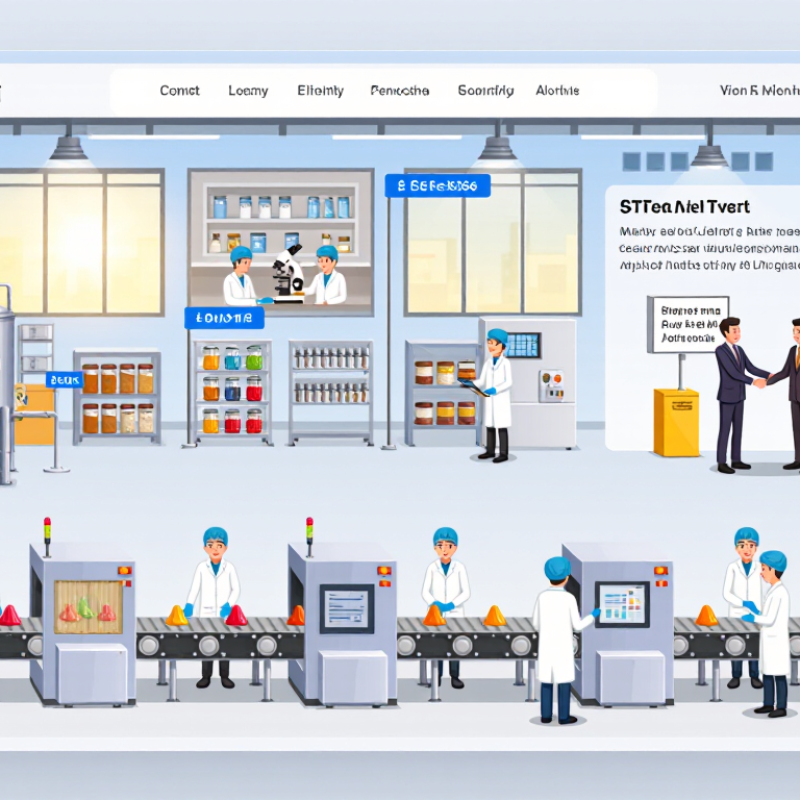
Who Offers the Best Contract Gummy Manufacturing in China?

What Is Contract Gummy Manufacturing in China?

Contract gummy manufacturing in China means hiring a qualified factory to develop, produce, test, and pack gummy supplements for your company. The service can include formula adjustment, ingredient sourcing, mold design, cooking, depositing, packaging, and batch release. According to Grand View Research’s 2024 analysis, the global gummy market was valued at about USD 19 billion in 2023. Forecasts vary, however. That difference deserves careful review.

A reliable manufacturer should provide clear batch records, ingredient specifications, allergen controls, and certificates of analysis. Production should follow recognized good manufacturing practices, with checks for weight, moisture, microbial safety, and stability. In practice, I would inspect the mixing area and retain samples from every batch. Documents alone can look convincing. Factory behavior matters more. Intertek’s 2023 consumer research also reported strong interest in convenient, enjoyable supplement formats, supporting continued demand for gummies. Yet texture, heat sensitivity, and dosage consistency remain difficult manufacturing issues.

Tips: Request a small pilot batch before signing a large contract. Confirm minimum order quantities, lead times, testing responsibilities, and ownership of the formula. Ask for recent audit records, not general promises. Check whether the factory can control sticky gummies during humid shipping. One overlooked detail can damage an entire shipment.

Who Offers the Best Contract Gummy Manufacturing in China?

What Is Contract Gummy Manufacturing in China?

Contract gummy manufacturing is a business model in which a manufacturer develops, produces, tests, and packages gummy supplements for another company. The timeline below presents typical planning benchmarks for a custom gummy project in China; actual timing depends on formula complexity, ingredient availability, testing requirements, order quantity, and packaging specifications.

The chart shows approximate business days commonly allocated to each stage of a contract gummy manufacturing project. Buyers should compare manufacturers by formulation support, quality systems, testing transparency, minimum order quantity, production capacity, and export documentation—not by lead time alone.

Which Factors Define the Best Gummy Manufacturing Partner?

Choosing the best gummy manufacturing partner depends on more than the lowest quote.

An experienced team should explain its process before discussing volume. It should review ingredients, flavor systems, texture, serving size, and packaging needs.

Small details matter. A gummy that feels firm in a lab may soften during summer shipping.

Request pilot batches, stability data, and clear specifications for color, weight, moisture, and potency. Ask who approves production changes. Vague answers can create expensive delays.

Reliable quality systems separate capable manufacturers from ordinary suppliers.

Look for incoming-material checks, batch records, calibrated equipment, and independent laboratory testing. Certificates should match the actual batch, not a generic file.

Traceability should reach every raw material lot. The manufacturer should explain allergen controls, sanitation routines, and foreign-material prevention.

Compliance knowledge is essential. Requirements vary by market, so documentation must fit the intended destination.

A confident partner welcomes audits and shares corrective-action records when problems occur. No facility is perfect. Honest reporting matters more than polished claims.

Capacity and communication also shape the partnership.

Confirm minimum order quantities, lead times, production windows, storage conditions, and backup plans. Ask for a named project contact and a written approval process.

During development, measure response time, not just promises. One missed assumption about flavor or pouch dimensions can force rework.

Price still matters, but it should be judged alongside testing, consistency, service, and risk.

The strongest relationship grows from evidence.
Not presentations.

How Do China’s Leading Gummy Manufacturers Compare?

China’s leading gummy manufacturers differ less in basic equipment than in execution. Grand View Research valued the global gummy market at about USD 19.2 billion in 2023, with strong growth forecast through 2030. That demand rewards factories with stable pectin or gelatin processing, precise dosing, and flexible batch sizes. A serious comparison should examine pilot trials, ingredient traceability, allergen controls, and testing records. Factory visits matter. Photos are not enough.

Experienced contract buyers often compare moisture control first. Excess moisture can soften gummies during transport, especially in warm containers. Leading facilities typically monitor water activity, viscosity, weight variation, microbial limits, and shelf-life changes. The best manufacturers can provide batch records and certificates from qualified laboratories. ISO 22000 and HACCP systems are useful indicators, but certificates alone prove little. The audit details matter more.

China’s stronger suppliers usually offer formulation support, mold development, packaging coordination, and export documentation under one workflow. However, capacity can hide weaknesses. A large production line may still struggle with small custom batches or rapid formula changes. The 2024 Mordor Intelligence report identifies functional nutrition as a major driver of gummy demand, increasing pressure for accurate active-ingredient distribution. In practice, buyers should request three pilot batches, not one. One successful sample can be luck. Pricing also deserves caution; the cheapest quotation may exclude stability testing, tooling, or corrective production. No supplier is perfect. A transparent response to a failed batch is often more revealing than a polished factory tour.

What Certifications and Quality Controls Should Buyers Expect?

Choosing a Chinese contract gummy manufacturer starts with evidence, not a polished factory tour. Buyers should request current GMP certification and verify its scope, site address, and expiry date. For food supplements, ISO 22000 or HACCP systems can show disciplined hazard control. Certification alone is not proof. An impressive certificate may cover another building or product category. Ask for the latest audit findings and corrective-action records. Refusal is a warning.

Quality controls should begin with approved raw-material suppliers and identity testing for each incoming lot. Finished gummies need documented checks for weight, texture, moisture, microbial safety, and declared active content. Independent laboratory reports should include methods, detection limits, sample numbers, and dates. Do not accept a generic certificate of analysis. Review retain samples, environmental-monitoring logs, allergen controls, and calibration records for scales and thermometers. These details reveal daily practice. Sometimes, factories test only the final batch, which leaves preventable gaps.

Traceability should connect one finished carton to ingredient lots, operators, equipment, and packaging records. A reliable supplier can usually provide a mock recall within a few hours. Buyers should also confirm change-control rules before approving flavor, formula, or packaging changes. An on-site audit remains valuable, even after documents look complete. Photos can mislead. No system is flawless; sampling plans can miss uneven mixing or gradual moisture changes. Periodic third-party testing and independent audits deserve a place in the contract.

How Can Brands Select the Right Contract Gummy Manufacturer?

Choosing the right contract gummy manufacturer in China requires more than comparing quotations. The global wellness economy reached $6.3 trillion in 2023, according to the Global Wellness Institute’s 2024 report. Consumers now expect convenient products with credible quality controls. The Council for Responsible Nutrition reported that 74% of U.S. adults used dietary supplements in 2023. Trust must be built inside the factory.

I would examine the manufacturer’s quality system before reviewing its sample flavors. Ask for audit records, batch documentation, ingredient traceability, and independent laboratory results. Confirm whether the facility follows applicable good manufacturing practices and performs identity, microbiological, heavy-metal, and stability testing. A shiny sample proves little. Request three production samples from different batches. Their color, texture, and weight should remain consistent.

Capacity also deserves careful checking. Review mold specifications, cooking equipment, filling accuracy, packaging controls, and realistic minimum order quantities. A supplier may promise flexible production, yet struggle during seasonal demand. Ask how rejected batches are handled. Ask who investigates deviations. Small details matter. I would also assess communication speed, technical English, formulation support, and change-control procedures. No audit is perfect, and certificates can become outdated. An on-site visit or qualified third-party inspection adds useful evidence. The best partner is not always the cheapest one; it is the manufacturer that can repeatedly document what happened, explain what went wrong, and improve the next batch.

FAQS

What should you evaluate before choosing a gummy manufacturing partner?

Review ingredients, flavors, texture, serving size, and packaging requirements. Ask for pilot batches and clear specifications. Details matter.

Why are pilot batches important?

A laboratory gummy may soften during warm summer shipping. Pilot batches reveal texture, moisture, weight, and stability problems. One sample can mislead.

Which quality records should a manufacturer provide?

Request batch records, material checks, calibrated equipment logs, and independent laboratory results. Certificates should match the actual production batch. Generic files are weak evidence.

How can buyers assess traceability?

Traceability should connect every gummy to each raw material lot. The facility should explain allergen controls, sanitation, and foreign-material prevention. Ask for specific records.

Are ISO 22000 and HACCP certificates enough?

They are useful indicators, but certificates alone prove little. Review audit details, corrective actions, and actual operating procedures. Paperwork can look better than reality.

What production details should be confirmed early?

Confirm minimum order quantities, lead times, production windows, and storage conditions. Discuss backup plans for delays or equipment problems. Assumptions create rework.

How should buyers compare manufacturing prices?

Compare pricing with testing, consistency, service, tooling, and corrective-production support. A low quotation may exclude stability testing or packaging development. Cheap is not always efficient.

What communication habits indicate a reliable partner?

Request one named project contact and a written approval process. Measure response times during development, not only promises. Good communication still fails sometimes.

Conclusion

This guide explains what Contract Gummy Manufacturing in China involves and why it has become an important option for brands seeking efficient, scalable supplement production. It examines how manufacturers support product development, formula customization, ingredient sourcing, flavor selection, molding, packaging, and large-scale production while helping businesses manage costs and timelines.

The article also outlines the qualities that define a reliable manufacturing partner, including transparent communication, consistent product quality, flexible minimum order quantities, modern facilities, and strong technical expertise. Buyers will learn which certifications, testing procedures, traceability systems, and quality controls to expect before placing an order. By comparing manufacturing capabilities and reviewing factors such as compliance, production capacity, customization options, lead times, and customer support, brands can make a more informed decision and select a dependable partner for safe, compliant, and market-ready gummy products.


Julian

Julian

Julian is a dedicated marketing professional with a strong understanding of the company’s products, services, and industry landscape. Through years of experience in strategic communication, market research, and customer-focused content development, he helps translate complex product features into......